
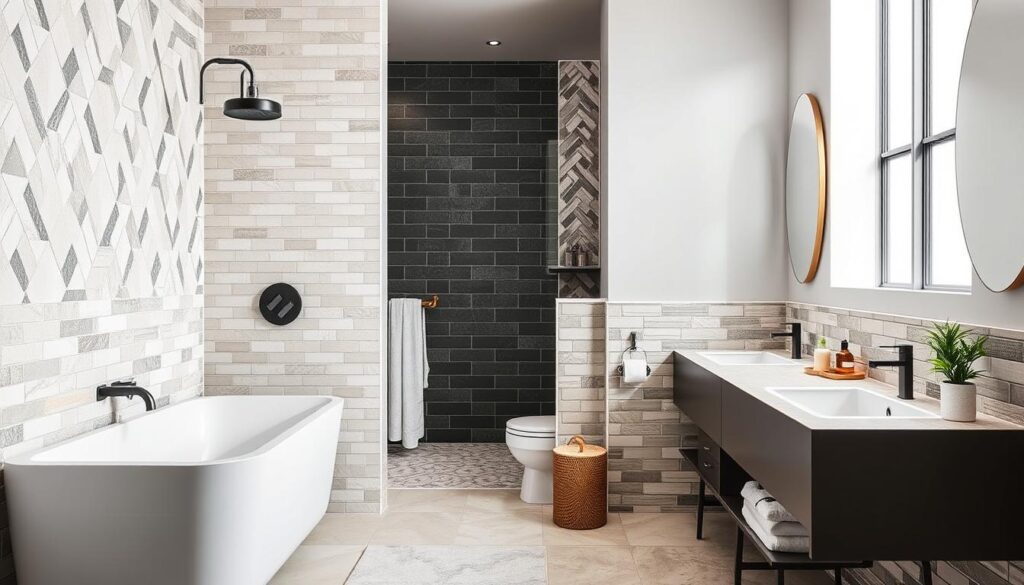
When it comes to transforming your bathroom, embracing Top Bathroom Tile Ideas can truly elevate your space. The innovative designs and trending materials available today not only enhance aesthetics but also cater to various functional needs. With bathroom tile designs increasingly leaning towards creativity and uniqueness, you can turn a mundane washroom into a stylish sanctuary. From natural stone elements to bold color combinations, understanding bathroom tile trends will empower you to make informed decisions that reflect your personal style.
Key Takeaways
- 74% of showcased bathroom tile ideas feature unique patterns or designs to add visual interest.
- 40% of the designs incorporate natural elements like stone or marble for a luxurious look.
- 30% focus on high-contrast effects using varying colors or textures.
- 25% of designs utilize a monochromatic color scheme for a unified aesthetic.
- 25% of showcased examples highlight geometric shapes or patterns to enhance space.
- 10% use bold colors like purple or warm brown to make a statement.
- 5% incorporate metallic accents, adding an elegant touch to the room.
Introduction to Bathroom Tile Trends
Bathroom tile trends have evolved significantly, emphasizing both functionality and style. As you navigate the world of trendy bathroom designs, consider how modern bathroom tiles incorporate clean lines and minimalist aesthetics. This approach not only enhances visual appeal but also creates a serene atmosphere.
Among popular choices, mosaic tiles shine brightly, particularly in small bathrooms. Their ability to create a striking visual impact in confined spaces makes them a favored option. For those looking to infuse a touch of luxury, marble mosaics are ideal, often featured in Hamptons and coastal-style bathrooms.
Subway tiles remain enduring favorites due to their versatility. Their clean lines offer a minimalistic look while allowing for various colors and finishes, providing substantial design flexibility. Patterns such as traditional offset or crosshatch add unique character and are suitable for bathrooms of all sizes. Terrazzo tiles also stand out because of their durability and wide-ranging design compatibility, fitting seamlessly into both classic and contemporary styles.
Strength does not compromise aesthetic appeal. Floor tiles are not only known for their ease of maintenance but also for their resilience against stains, making them a practical choice for high-traffic and wet areas. Below is a detailed table highlighting the average costs of different tile materials:
| Tile Type | Average Cost (per square foot, uninstalled) |
|---|---|
| Cement-bodied tile | $10 – $30 |
| Ceramic and Porcelain tiles | $3 – $30 |
| Glass tile | $4 – $50 (up to $160 for intricate designs) |
| Granite tiles | $5 – $140 |
| Limestone tiles | $2 – $11 |
| Marble tiles | $15 – $85 |
| Metal tiles | $50 – $200 |
| Quarry tile | $8 – $13 |
| Saltillo tile | $1 – $8 |
| Slate tiles | $4 – $25 |
| Terra-cotta tile | $1 – $15 |
| Travertine tiles | $3 – $10 |
As you explore bathroom tile options, keeping these trends and costs in mind will help you achieve a stylish and functional space that reflects your personal taste.
Understanding Different Bathroom Tile Materials
When renovating your bathroom, selecting the right bathroom tile materials plays a crucial role in both aesthetics and functionality. The two most popular options are ceramic tiles and porcelain tiles, each offering unique benefits. Ceramic tiles are known for their affordability, durability, and ease of maintenance, making them an excellent choice for bathroom walls and floors. On the other hand, porcelain tiles are denser and more durable, suitable for high-traffic areas. They come in a diverse range of colors and finishes, appealing to various design preferences.
Natural stone tiles, such as marble and granite, provide a luxurious appeal but require careful maintenance. These tiles can add undeniable elegance to your space, yet their susceptibility to water damage necessitates regular upkeep. It’s essential to weigh the stunning aesthetics against the maintenance requirements when considering natural stone for your bathroom.
Tile finishes are equally important, with options including polished, matte, and honed surfaces that can dramatically affect the look of your bathroom. You should also consider various tile shapes and sizes, from the classic square and rectangular to more intricate designs like hexagons and mosaics. This variety allows you to customize your bathroom’s appearance while ensuring that each type of tile fits your specific needs.
The choice of tile color impacts the overall vibe of the bathroom. Light colors can create an illusion of space, ideal for smaller bathrooms. Darker shades or bold patterns can offer dramatic flair but might require more frequent cleaning. Ultimately, a well-thought-out combination of these elements can lead to the creation of a stunning bathroom environment that is both stylish and practical.
Top Bathroom Tile Ideas
This section explores various bathroom tile designs that will enhance your space while reflecting personal style. A significant trend involves exploring natural stone, which provides unique textures and an elegant touch. Natural stone tiles can vary widely, from slate to limestone, each bringing a distinct character to the bathroom. It’s crucial to ensure proper sealing of natural stone tiles to maintain their durability and aesthetic appeal.
Exploring Natural Stone
When considering bathroom tile designs, exploring natural stone emerges as a top choice. Each piece bears its own story, with colors and patterns that vary from tile to tile. This variability adds a personal touch to your design, making your bathroom feel uniquely yours. Popular natural stone options include:
- Marble
- Granite
- Slate
- Limestone
Natural stone elevates the space while requiring regular maintenance. Adequate sealing is necessary to protect against moisture and staining.
Choosing Between Porcelain and Ceramic
In the realm of porcelain tiles and ceramic tiles, understanding the differences is essential for making an informed choice. Porcelain tiles are denser, making them well-suited for wet areas due to their low water absorption rates. These tiles offer a polished and sophisticated appearance, often resembling natural stone.
Ceramic tiles, on the other hand, present a wide variety of styles, colors, and designs. They tend to be more budget-friendly and adaptable for various applications within the bathroom. Here’s a comparison highlighting their key differences:
| Feature | Porcelain Tiles | Ceramic Tiles |
|---|---|---|
| Water Absorption | Low | Higher |
| Durability | More durable | Less durable |
| Design Variety | Limited | Extensive |
| Cost | Generally higher | More affordable |
Both materials offer versatility and can be used in various settings, from floors to accent walls. Consider your needs carefully when selecting between porcelain and ceramic tiles.
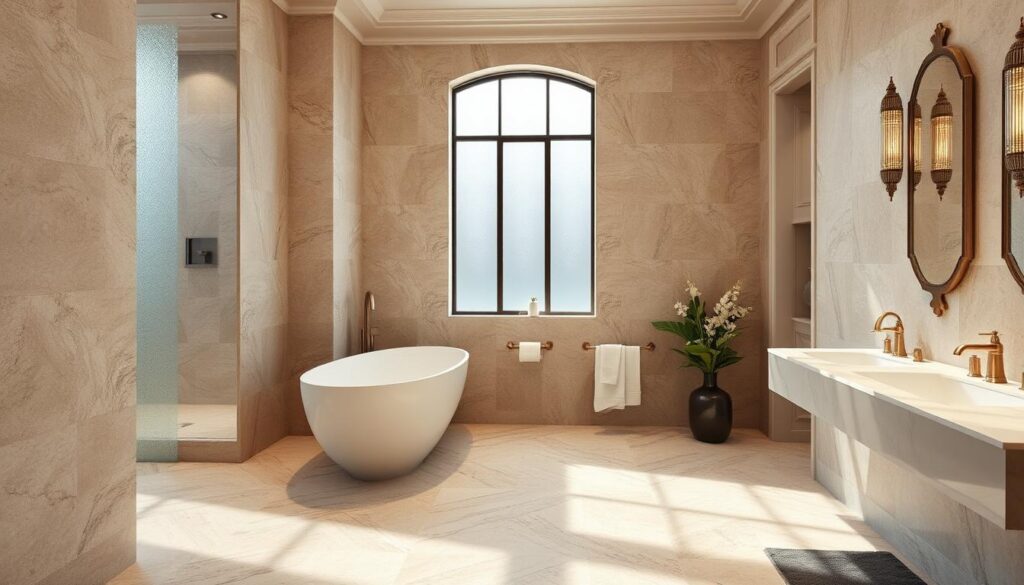
Creating Visual Interest with Bathroom Tile Patterns
Incorporating distinct bathroom tile patterns can significantly enhance your bathroom’s visual appeal. Choices like herringbone patterns or chevron patterns not only add depth but also provide a sophisticated touch to your design. Exploring these patterns alongside more unconventional layouts can elevate your space, making it feel both personalized and striking.
Using Herringbone and Chevron Patterns
Herringbone and chevron patterns remain popular choices for bathroom flooring due to their unique designs. Herringbone patterns feature a broken zigzag layout that draws the eye, creating a dynamic appearance. Chemvron patterns showcase a continuous zigzag design, emphasizing boldness and elegance. Both styles work well with various materials like porcelain and ceramic, ensuring durability alongside aesthetic appeal. Consider the following benefits when integrating these patterns into your bathroom:
- Creates visual flow and movement.
- Adds texture and dimension to flat surfaces.
- Available in various colors to complement your existing decor.
Wild and Off-Kilter Layouts
For those seeking a more adventurous approach, wild and off-kilter layouts offer an exciting way to express creativity. Breaking away from symmetrical patterns allows unexpected tile arrangements that can energize the space. Utilizing various sizes and shapes of tiles can make your bathroom feel less conventional and more extraordinary. Key considerations for this type of design include:
- Mixing hexagon, subway, or graphic tiles to create visual drama.
- Employing textured or reflective tile surfaces for added interest.
- Cohesive color schemes to unify the overall look while allowing for pattern diversity.
| Tile Pattern | Visual Style | Material Recommendations |
|---|---|---|
| Herringbone | Dynamic and Elegant | Porcelain, Ceramic |
| Chemvron | Bold and Striking | Porcelain, Ceramic |
| Wild Layouts | Adventurous and Unique | Various shapes (Hexagon, Subway) |
Color Schemes and Their Impact on Bathroom Aesthetics
Color schemes play a vital role in defining the overall aesthetics of your bathroom. The right selection can transform your space, creating a serene retreat or a vibrant area filled with energy. This section explores effective use of color, focusing on monochromatic designs and bold color combinations to elevate your bathroom’s ambiance.
Monochromatic Designs
Monochromatic designs enhance a bathroom’s elegance by utilizing varying shades of a single color. This approach creates a calm and cohesive atmosphere. For instance, light shades of blue are popular for their soothing qualities, reminiscent of tranquil ocean waters. Adding lemony accents can brighten these designs, bringing warmth and vitality. The use of pastel tones combined with white can also result in a subtle yet stunning effect, perfect for contemporary bathrooms.
Bold Color Combinations
On the other hand, bold color combinations can energize and invigorate your bathroom. A striking red vanity paired with classic accents like a vintage chrome faucet reflects sophistication and style. Consider dark navy or stone blue tiles, which work well with warm metallic tones for fixtures. Alternatively, earthy pinks such as terracotta and pastel roses offer a modern touch. These colors can elevate the aesthetic while providing a connection to nature when combined with greens and blues mirroring coastal themes.
Effective implementation of these color schemes contributes to a personal sanctuary that is both functional and visually appealing.
| Color Scheme | Effects | Popular Examples |
|---|---|---|
| Monochromatic | Creates a serene and cohesive look | Light blue with pastel accents |
| Bold Combinations | Infuses energy and personality | Bright reds with chrome accents |
| Earth Tones | Links to nature; calming | Forest greens, terracotta shades |
Incorporating Texture in Your Bathroom Tile Design
Introducing texture into your bathroom tile design creates visual depth and character. Consider contrasting different bathroom tile textures, such as the glossy surface of ceramic tiles paired with the rougher surface of natural stone textures. This interplay between textures invites touch and can enhance the overall feel of the space.
Textured tile designs, including mosaics, provide an eye-catching feature in any bathroom. For instance, the exquisite look of Calacatta verde square mosaics made from natural marble adds a dramatic and personalized touch. Incorporating these designs not only makes a statement but also brings a layer of luxury to smaller bathrooms.
Subway tiles, while versatile for walls, can also benefit from textured applications. Implementing herringbone patterns with these tiles creates eye-catching focal points, particularly in shower areas. This pattern draws the eye upward, making the space feel larger while showcasing your choice of tile texture.
Below is a table highlighting various bathroom tile textures and their characteristics:
| Tile Type | Description | Ideal Use |
|---|---|---|
| Natural Stone | Rich visual appeal with unique variations | Focal points or accent walls |
| Ceramic | Cost-effective with smooth and glossy options | Walls and floors for easy maintenance |
| Mosaic | A variety of colors and patterns, adding detail | Highlights and smaller spaces |
| Porcelain | Dense and hard-wearing, water-resistant | Shower walls and high humidity areas |
| Glass | Reflective surfaces enhance light and space | Small bathrooms for visual expansion |
Utilizing textured tile designs enriches the bathroom atmosphere, turning ordinary spaces into extraordinary retreats. Embrace the potential of varying textures to craft a unique, inviting environment.
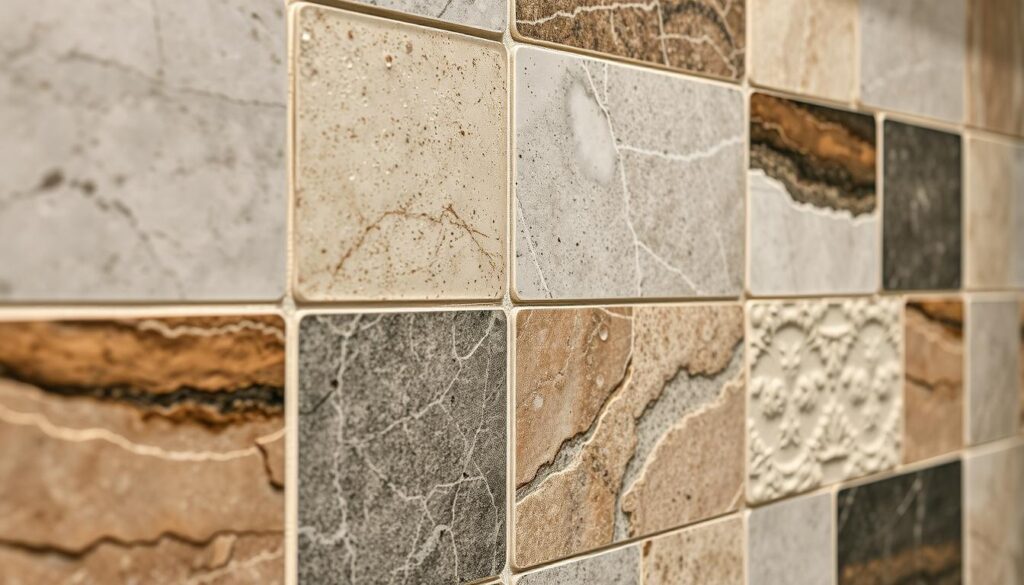
Flooring vs. Wall Tiles: Making the Right Choice
Choosing between bathroom floor tiles and bathroom wall tiles can significantly impact the overall design and functionality of your space. This decision influences not only aesthetics but also safety and durability. Below are some best practices for selecting bathroom floor tiles, along with innovative wall tile ideas that can transform your bathroom.
Best Practices for Bathroom Floor Tiles
When selecting bathroom floor tiles, consider durability as a top priority. Options like porcelain tiles are ideal due to their non-porous nature and ability to withstand heavy foot traffic. Here are some tips to guide your selection:
- Opt for large-format tiles, such as 300x600mm, which contribute to a seamless look and make cleaning easier.
- Hexagonal floor tiles offer a unique design element, perfect for adding character while remaining functional.
- Use anti-skid tiles specifically in shower areas to prevent slips and falls, ensuring both safety and style.
- For consistency and elegance, consider using the same tiles on both the shower floor and walls, maintaining visual harmony.
- Limit the variety of tiles to three different options to avoid overwhelming the space and retain a sophisticated appearance.
Innovative Bathroom Wall Tile Ideas
Bathroom wall tiles provide an excellent opportunity for creativity and innovation. Here are some ideas to enhance the aesthetic appeal of your bathroom:
- Incorporate smaller wall tiles with larger floor tiles to create dynamic contrast and texture.
- Half-tiled walls can add a modern touch, allowing you to combine different materials and colors effectively.
- Consider a statement feature wall using colorful or patterned tiles, which serves as a focal point in the room.
- Larger wall tiles can visually expand smaller bathrooms, making them feel more spacious and open.
Small Bathroom Tiles: Maximizing Space and Style
When dealing with small bathroom tiles, the goal remains maximizing small spaces while maintaining aesthetics. Your choices in tile size and color can dramatically influence the perception of space. Carefully selected tiles can make even the coziest bathrooms feel more expansive and stylish.
Choosing the Perfect Size for Small Spaces
Specific tile sizes play a critical role in creating an illusion of space. Consider opting for large-format tiles like 12 x 24 inches, such as the Hampton Carrara or Blanco Waves. These tiles require fewer grout lines, enhancing the feeling of openness in your small bathroom. Conversely, smaller tiles like penny tiles can be used effectively for intricate designs that add visual interest without overwhelming the space.
For a modern twist on vintage design, small black and white basketweave tiles can provide a classic aesthetic, while horizontal stripes of black and white subway tiles can create a sense of width, making your small Bathroom Renovations Werribee appear larger. Additionally, running a decorative tile backsplash to the ceiling can take full advantage of vertical space.
Effective Use of Light Colors
The choice of light colored tiles is paramount in small bathrooms. Light shades reflect natural light, thus enhancing brightness and airiness. Incorporating pale hues, such as light terrazzo tiles or white subway tiles, can elevate the overall ambiance.
For a sophisticated look, pairing light colored tiles with textured elements, like the Ashford Carrara marble, can create depth without compromising the sense of space. Striking a balance between color balance and pattern creates a harmonious environment that invites relaxation. Consider vibrant accents alongside softer wall tiles to add personality while keeping the area feeling open and welcoming.
Large Bathroom Tiles: Emphasizing Luxury and Space
Large bathroom tiles have gained popularity for transforming spaces into luxurious retreats. Their expansive size creates an impression of openness, allowing the bathroom to feel more spacious than it is. This effect is particularly important in luxury bathroom design, where every detail counts.
One significant advantage of large bathroom tiles is the reduction of grout lines, which simplifies maintenance. Fewer grout lines mean fewer places for dirt and grime to accumulate, making cleaning more straightforward and less time-consuming. Additionally, the seamless look created by expansive tile layouts contributes to a modern aesthetic that appeals to homeowners seeking sophistication.
When designing your bathroom, consider the practicality of tiles suited for various areas. For instance, porcelain tiles are highly recommended for bathroom floors due to their durability and low water absorption, ensuring they withstand wet conditions without compromising quality. Mixing materials can enhance the design’s depth, creating a dynamic look while still adhering to a luxury vibe.
Employing a random or diagonal tile layout can also elevate visual impact. These approaches guide the eye throughout the space, enhancing the illusion of larger dimensions. Luxury bathroom designs benefit increasingly from vertical tile placements, reinforcing contemporary trends while offering a distinctive character.
By incorporating large bathroom tiles, you can create a stunning environment that combines elegance and practicality. Whether you choose to feature expansive tile layouts or use tiles as a subtle design element, you can achieve a luxury ambiance that transforms your daily routine into a rich experience.
Conclusion
As we wrap up this exploration of top bathroom tile ideas, it’s evident that the right choices can significantly transform your bathroom’s aesthetic and functionality. From the timeless elegance of marble to the versatility of ceramic and porcelain, each material brings unique benefits suited to various design aspirations. High-quality options like porcelain tiles offer enhanced durability, especially in moisture-prone environments, ensuring your chosen style stands the test of time.
Embracing current bathroom design trends, such as the warmth of wood-look tiles or the vibrant charm of mosaic designs, allows you to express your personal style while enhancing the overall ambiance. Whether you’re drawn to sophisticated natural stone or prefer the low-maintenance advantages of vinyl, there is a vast array of selections to help you elevate your bathroom space into a serene and functional retreat.
Remember, integrating texture, color, and innovative patterns into your tile arrangements can dramatically influence the look and feel of your space. The insights and ideas shared here are not just suggestions; they are opportunities to reimagine your bathroom. Take the time to explore these designs and materials, and you’ll be well on your way to achieving your dream bathroom.